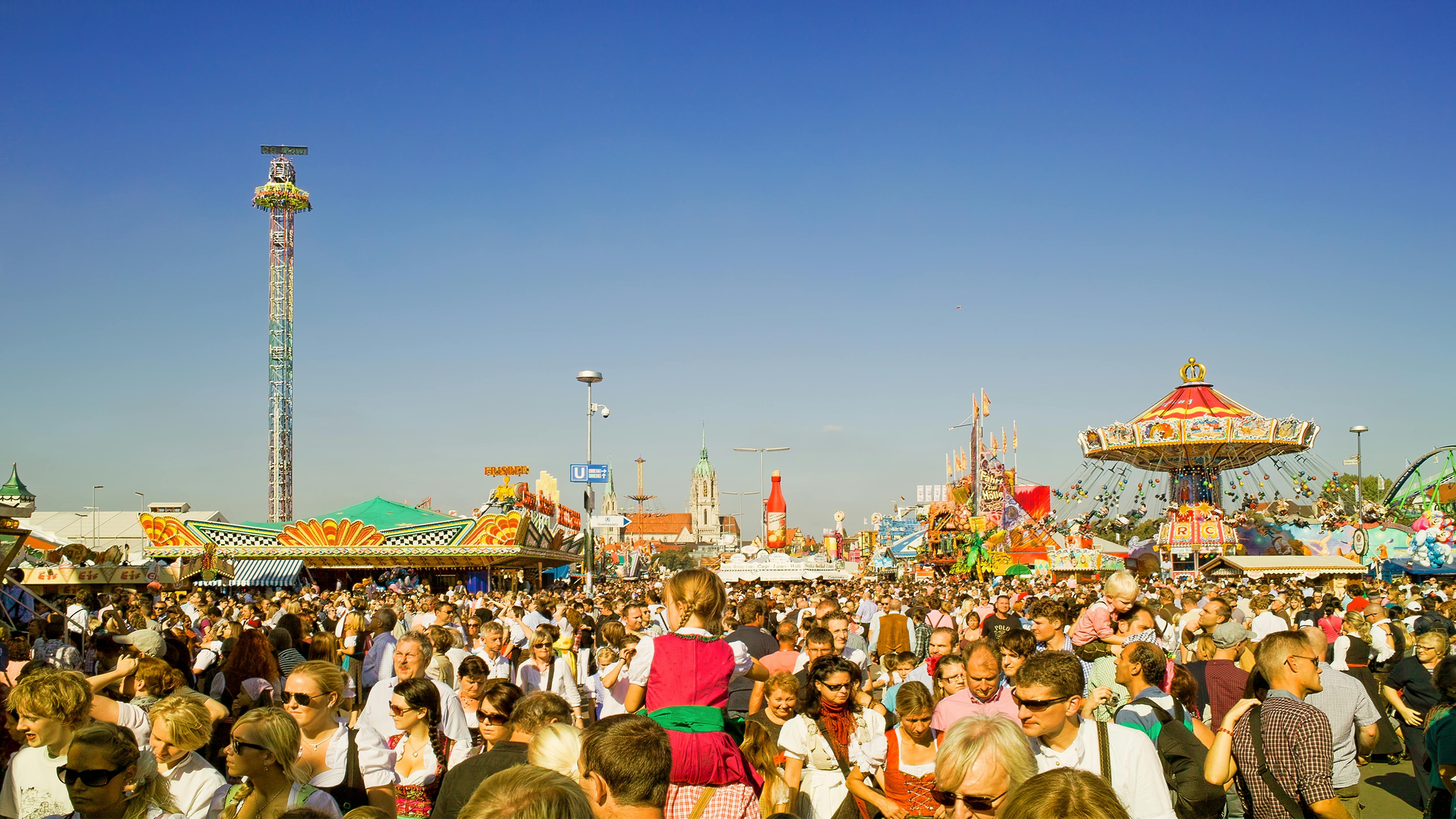
The most common misconception in event planning is that security handles "crowd stuff." It doesn't. Security and crowd management are different disciplines with different training, different tools, and different goals. Confusing them is how serious incidents happen at otherwise well-organized events.
What Event Security Does
Security exists to control access and respond to threats. Their job is fundamentally reactive — identify a problem, respond to it. That training is exactly right for what they're asked to do.
- Checking credentials and tickets at entry points
- Identifying and removing individuals who violate policy or pose a threat
- Maintaining a visible deterrent presence across the venue
- Responding to disturbances, altercations, or criminal activity
- Supporting law enforcement when needed
Security professionals are trained to deal with bad actors. Their mental model is: identify the problem, remove the problem. That framework is the right one for their role. What it doesn't cover — and what it isn't designed to cover — is crowd dynamics: how large groups of people move, where density builds, and what the physical warning signs of a crowd emergency look like before it becomes one.
What Crowd Management Does
Crowd management is proactive. Its job is to prevent the conditions that lead to emergencies — not respond to them after they've already started. That distinction is not subtle. It's the entire difference between the two disciplines.
Crowd management professionals work on:
- Ingress and egress design — where people enter, how they flow through the space, and where they exit at various points in the event
- Queue management — preventing dangerous stacking at entry points, stage fronts, and transitions between areas
- Capacity monitoring — tracking density in real time across zones, not just at the gate
- Identifying pressure points — spots where crowd dynamics can create crush risk before attendees are even aware of it
- Communication and escalation — coordinating between crowd management, venue staff, medical coverage, and event operations continuously throughout the event
The key word in all of this is proactive. A crowd management professional intervenes before an incident, not during one. By the time a crowd emergency is visible, you're already behind it.
Event Security
- Access control & credentialing
- Threat identification & response
- Removal of problem individuals
- Perimeter management
- Law enforcement liaison
Crowd Management
- Ingress/egress flow design
- Real-time density monitoring
- Queue & bottleneck management
- Crowd crush prevention
- Medical & ops coordination
Why the Distinction Matters Medically
Most serious crowd injuries are not caused by criminal activity. They're caused by physics. When crowd density exceeds roughly five to six people per square meter in a standing area, individuals lose the ability to control their own movement. Falls, compression injuries, and crowd crush can occur without any malicious actor involved — and without most attendees realizing what's happening until it's already critical.
Security is not positioned to see this coming. They're watching for threats, not density patterns. Crowd management is watching the subtle early signs — attendees gripping barriers, unusual stillness in normally moving areas, progressive compression at bottlenecks, reduced ability of staff to move through a zone — that precede a serious incident by several minutes.
The medical team and the crowd management team need direct communication. At large events, a density incident can generate multiple simultaneous casualties within a very short window. Having medical coverage on-site matters enormously — but medical needs to know where the crowd is thickest, where problems are forming, and where to pre-position before the call comes in. That coordination has to be built into the event plan. It doesn't happen automatically.
When You Need Both
Any event over 500 attendees benefits from having both security and crowd management functions addressed explicitly. Beyond that threshold, certain event characteristics make the combination essential rather than optional:
- Events over 1,000 attendees at any venue configuration
- Events with multiple stages or performance spaces that draw movement between areas simultaneously
- Outdoor events with limited, constrained, or poorly marked egress points
- Events with significant alcohol service across extended hours
- Venues with compressed capacity areas — standing pits, narrow corridors, single-exit zones
- Events where the crowd composition includes mixed ages, mobility variations, or large groups arriving in rapid succession
The cost of getting this right is planning time and a budget line. The cost of getting it wrong is a different kind of conversation entirely.
How Guardian Integrates Both
Guardian's crowd management service doesn't compete with your security contractor — it complements them. Our team works alongside your security team to cover the ground that security isn't trained or positioned for: density monitoring, ingress management, bottleneck identification, and real-time communication with the medical team.
Because our crowd management and medical coverage come from the same organization, the communication that matters most in an emergency is already in place before the first attendee arrives. No coordinating between separate companies mid-event. No delay identifying the right contact when something is developing.
If you're planning a large event and haven't had a specific conversation about crowd management — separate from security — that's a good place to start. See the full Crowd Management service overview or read through our Event Medical Coverage Guide for context on how staffing levels interact with event size and risk.
Security and crowd management are not interchangeable. Understanding what each does — and making sure both are covered at your event — is one of the most concrete steps you can take toward a safe outcome. The planning for it starts well before event day.
Questions about coverage for a specific event? Reach out and we'll walk through it.